Awareness-cum-Input Distribution Programme for fish farmer of Sikkim under NEH Initiative
17th March, 2026 Ranipool, East Sikkim.
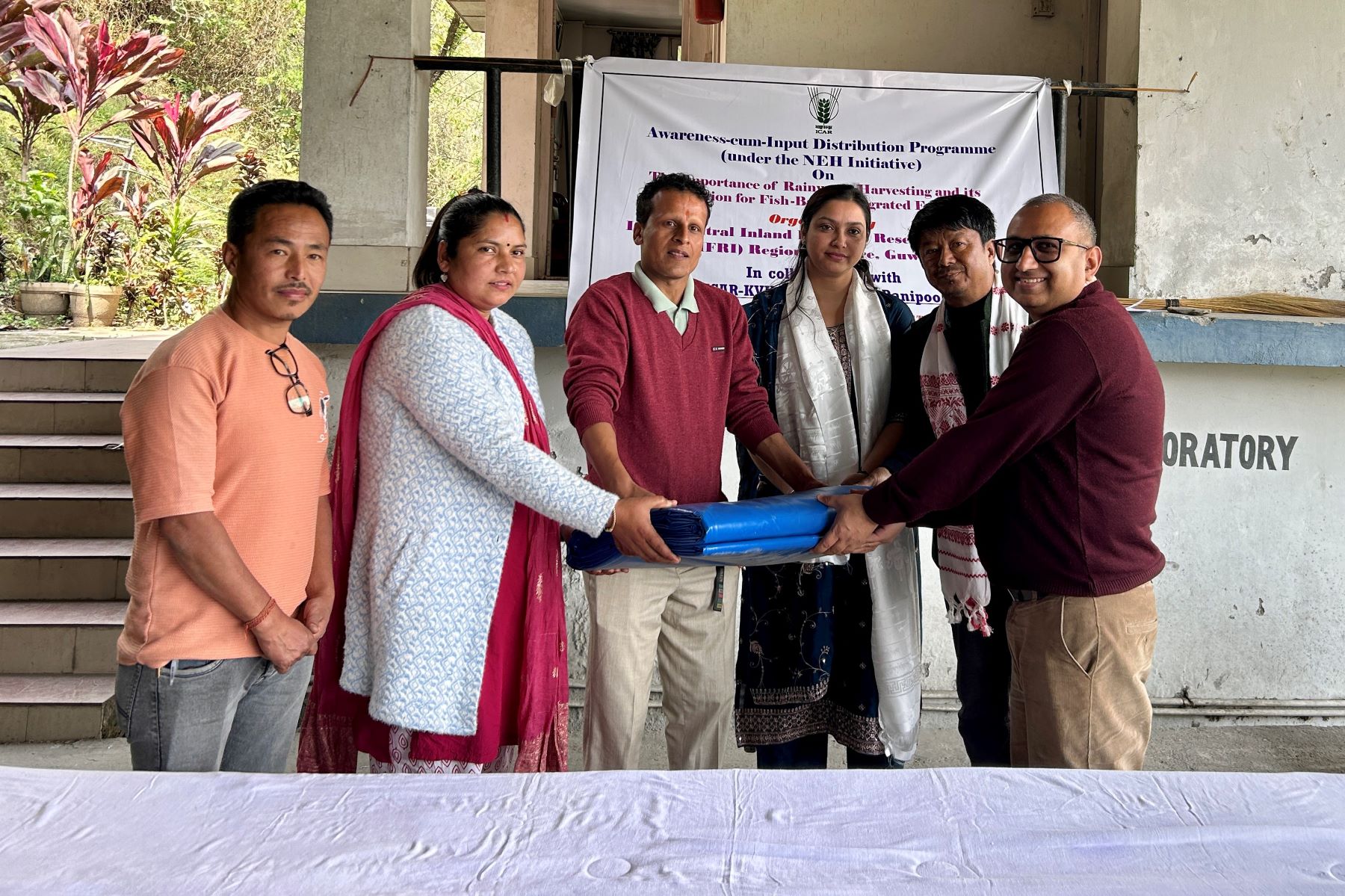
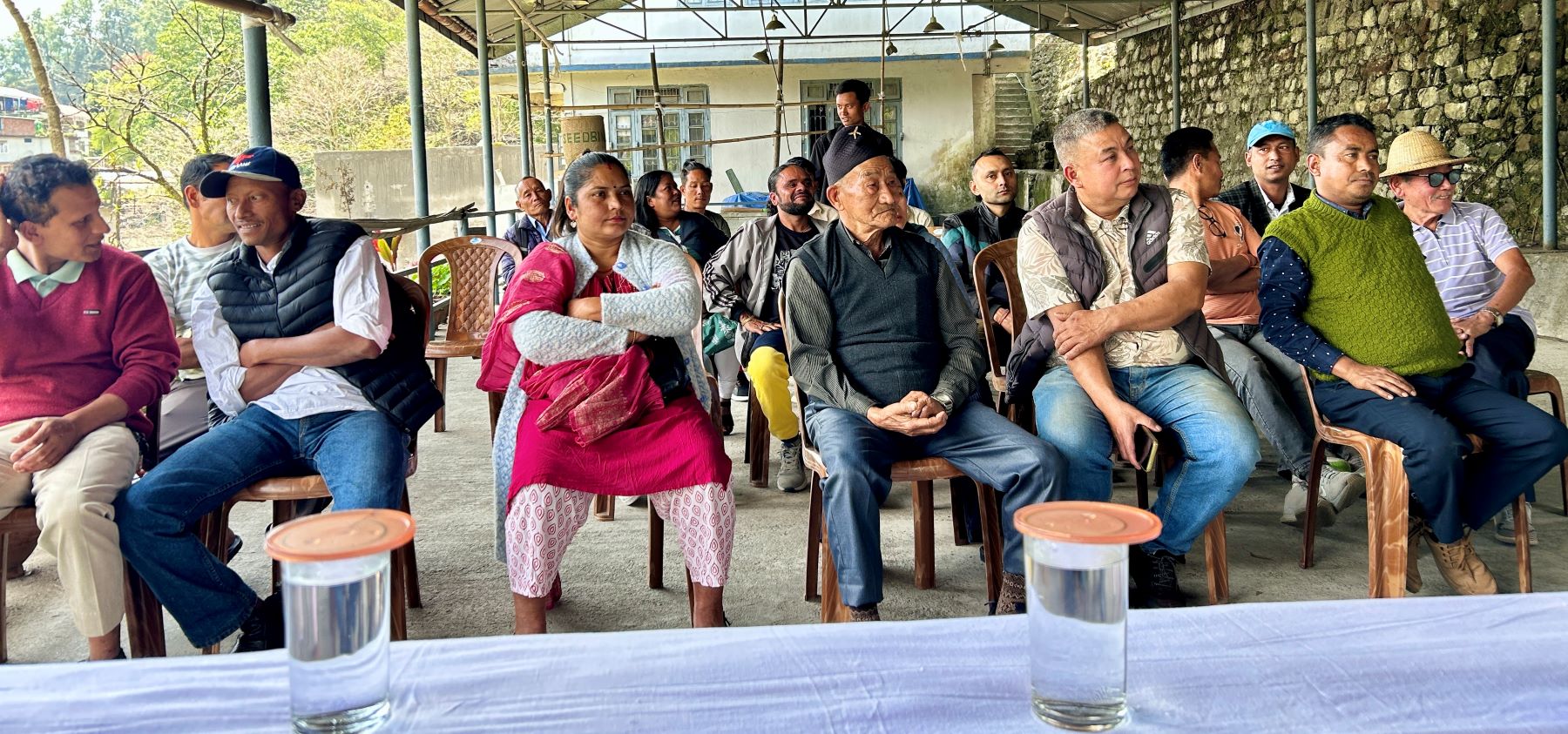
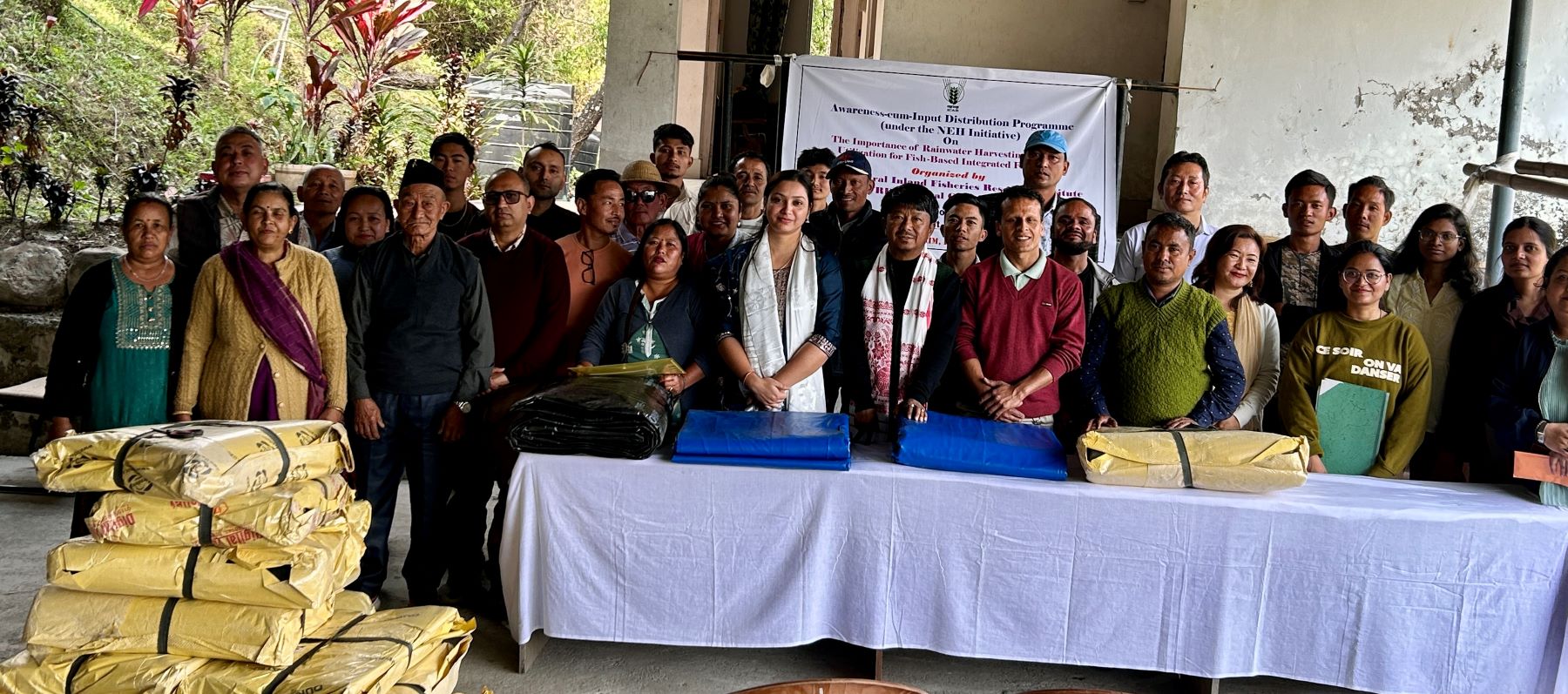
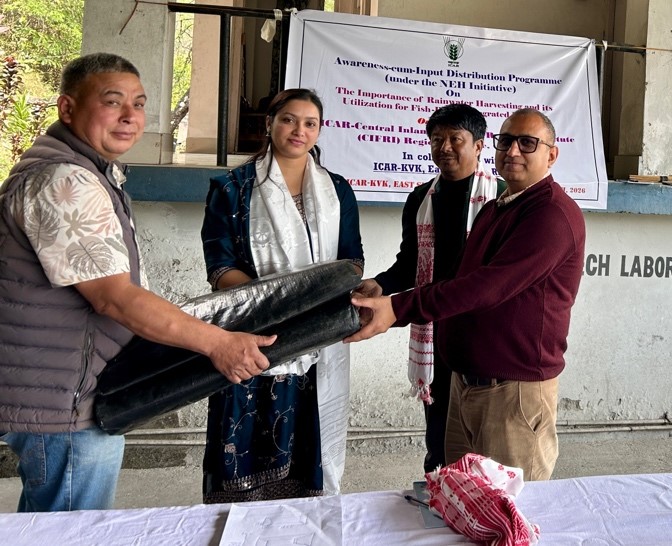
An Awareness-cum-Input Distribution Programme under the NEH Initiative was organized by the ICAR–Central Inland Fisheries Research Institute (ICAR-CIFRI), Regional Centre, Guwahati, in collaboration with ICAR–KVK East Sikkim successfully on March 17, 2026, at ICAR–Krishi Vigyan Kendra (KVK), East Sikkim, Ranipool. The programme was organized under the overall guidance of Director, ICAR-CIFRI, Barrackpore; Head, ICAR-CIFRI Regional Centre, Guwahati and Head, ICAR-KVK, Ranipool, East Sikkim. The programme witnessed enthusiastic participation of 40 participants including farmers, officials from ICAR-KVK, Ranipool and ICAR-CIFRI, Guwahati. As part of the program, essential inputs including plastic lining materials for Jalkund construction for rainwater harvesting for fish farming were distributed among the participating 30 beneficiaries (including 7 females) representing diverse locations across East Sikkim to facilitate immediate adoption of the technology.
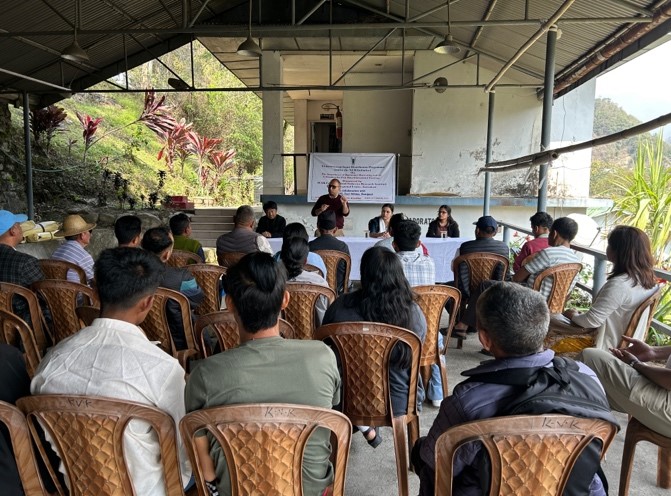
The program commenced with a welcome address by Mr. Boniface Lepcha, Subject Matter Specialist (SMS), who set the context for the initiative. This was followed by an insightful address from Dr. Prakash Sharma, Senior Scientist and Head, KVK East Sikkim, who underscored the critical importance of rainwater harvesting through Jalkunds and its strategic integration into fish-based farming systems. He emphasized that in regions with limited irrigation resources, harvested rainwater stored in Jalkunds serves as a vital asset for sustaining aquaculture activities and can significantly improve farm productivity and resilience. By combining aquaculture with crop and livestock components, farmers can optimize resource utilization, recycle nutrients, and generate multiple streams of revenue, ultimately contributing to improved livelihoods and economic security.
Dr. Niti Sharma, Senior Scientist, ICAR-CIFRI, elaborated on the objectives and scientific basis of Jalkund technology, emphasizing its potential in enhancing livelihood opportunities through integrated fisheries and sustainable farming practices. She highlighted how such interventions can play a transformative role in the hill ecosystems of the Northeast by addressing water scarcity and promoting climate-resilient agriculture. Further strengthening the technical understanding of participants, Mr. Boniface Lepcha provided detailed guidance on the design specifications, measurements, and construction techniques of Jalkunds, ensuring that farmers are equipped with practical knowledge for effective on-field implementation.
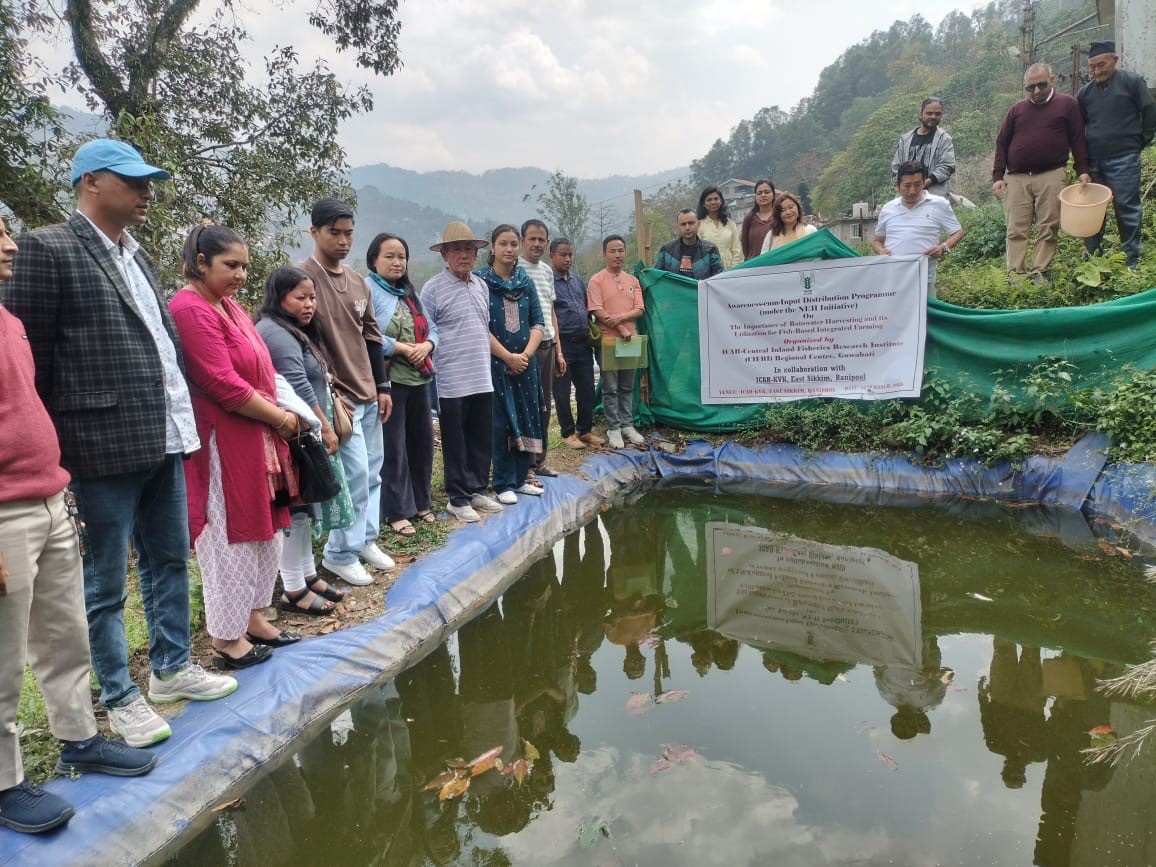
The programme also featured a field visit to the KVK farm, where participants were exposed to a functional Jalkund system and its practical applications in integrated farming. The programme concluded successfully with active participation from farmers and seamless coordination by all staffs of ICAR–KVK East Sikkim, reflecting a strong commitment toward scientific collaboration, promoting sustainability and income-generating practices for farmers in the region.