CIFRI Awards
Barrackpore
Reinforcing its commitment to advancing fisheries research through cutting-edge science, the ICAR-Central Inland Fisheries Research Institute (ICAR-CIFRI), Barrackpore, today inaugurated a three-day intensive hands-on training programme on "Molecular Tools for Aquatic Resource Management", bringing together students, faculty members and researchers from universities and research institutions across the country. The training programme is designed to build technical expertise in modern molecular biology techniques that are increasingly transforming fisheries research, biodiversity conservation and sustainable aquatic resource management. Inaugurating the programme, Dr. Pradip Dey, Director, ICAR-CIFRI, emphasized that molecular technologies are becoming indispensable for evidence-based fisheries management in the face of climate change, biodiversity loss and emerging aquatic diseases. He noted that tools such as genomics, DNA barcoding, environmental DNA (eDNA) and bioinformatics are strengthening biodiversity assessment, genetic resource conservation, disease surveillance and sustainable aquaculture. Addressing the participants, Dr. Dey urged young researchers to integrate molecular tools with conventional fisheries science to develop innovative, science-based solutions for sustainable aquatic resource management. He emphasized that strengthening human resource capacity in advanced molecular technologies is essential to support national priorities on aquatic biodiversity conservation, biosecurity and the Blue Economy. He reaffirmed ICAR-CIFRI's commitment to nurturing skilled researchers through quality training, innovation and scientific collaboration.
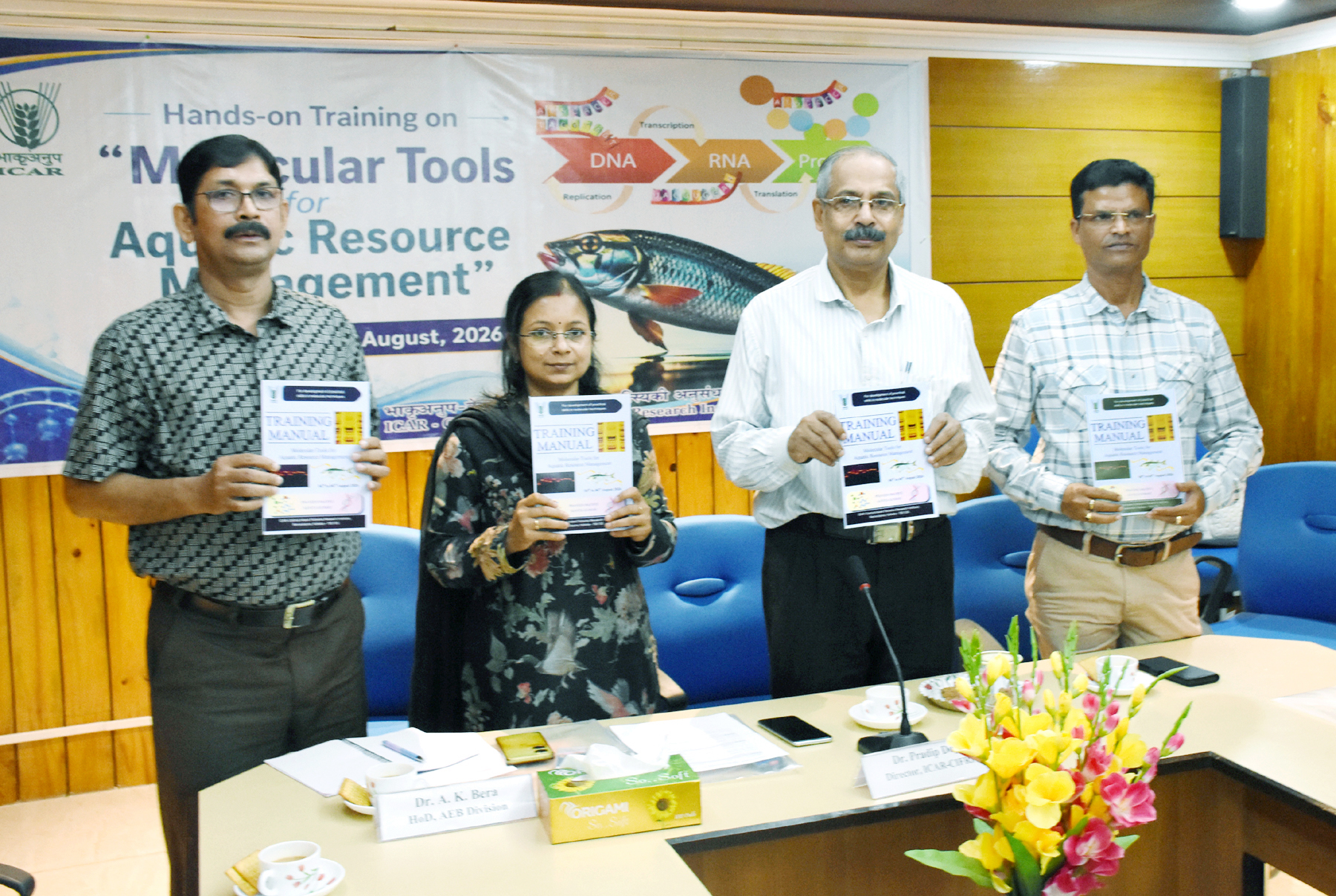
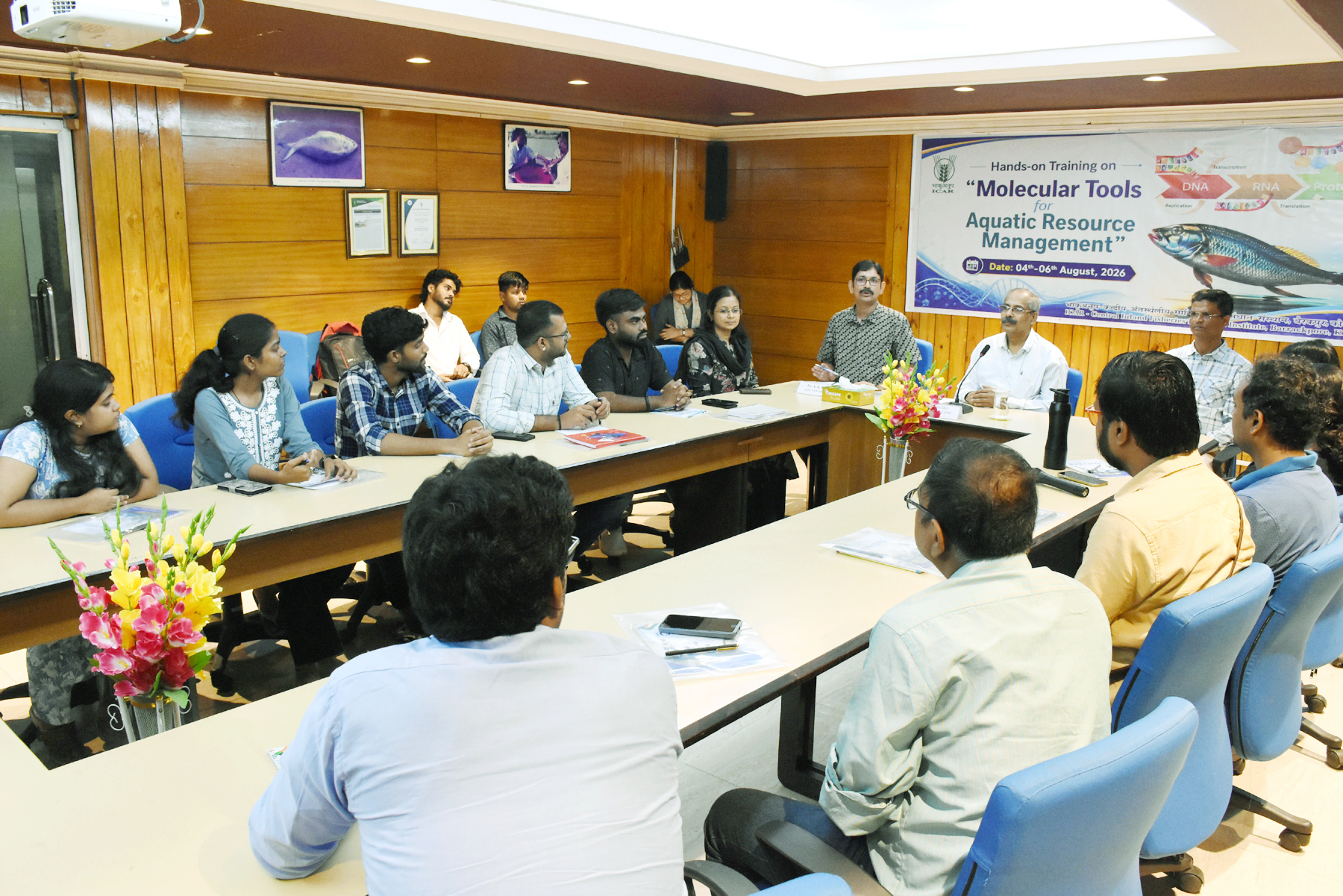
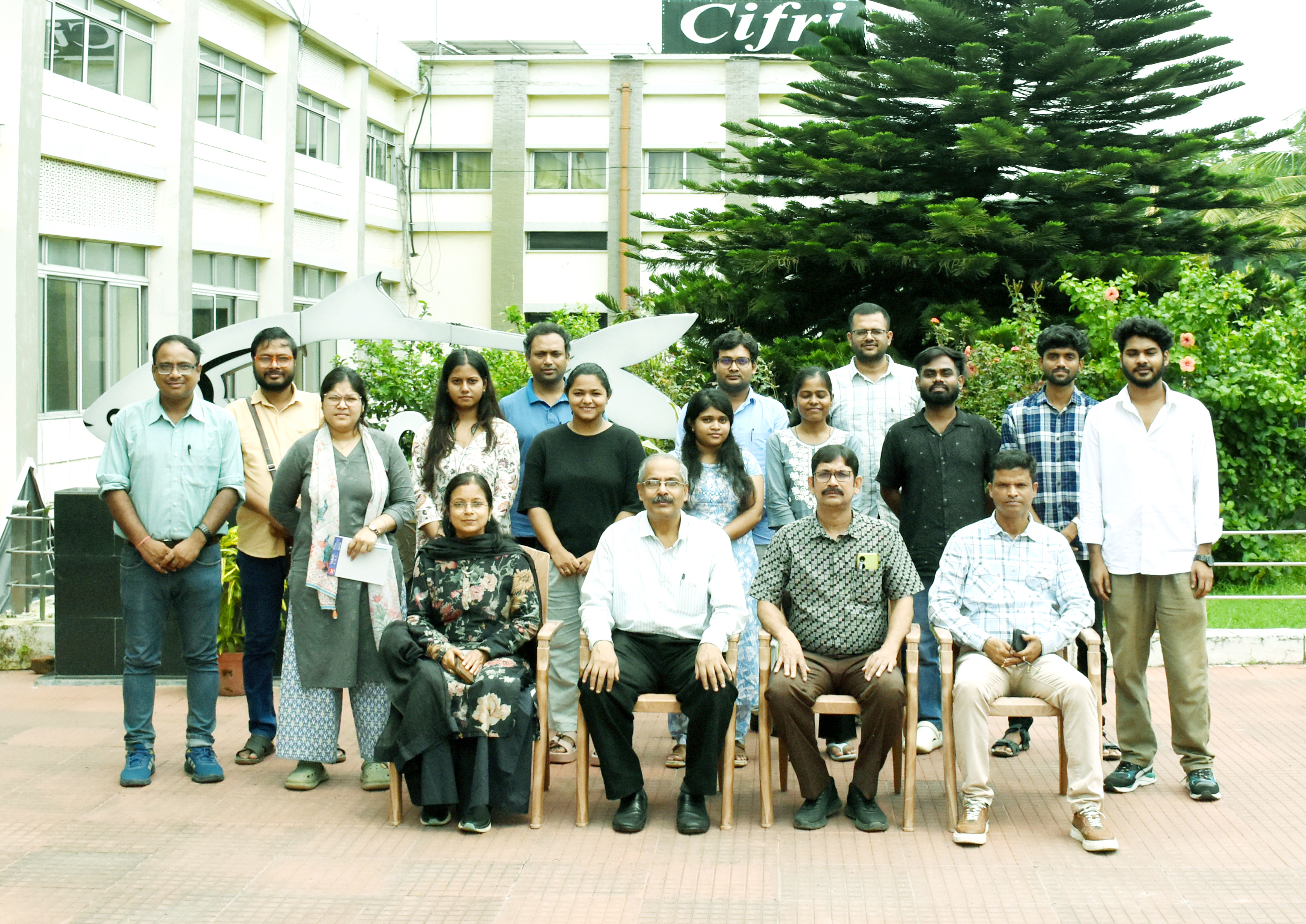
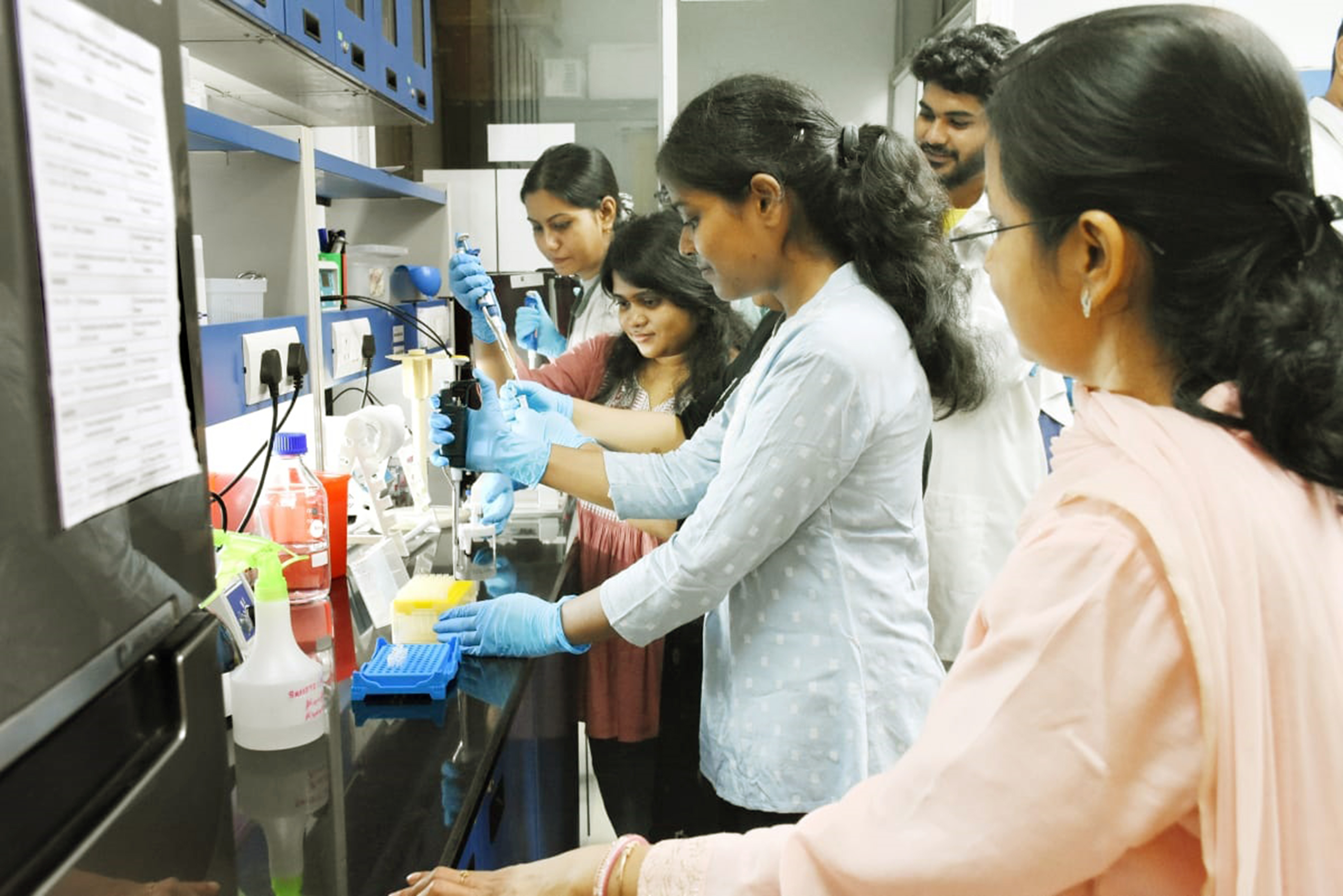
During the three-day training, participants will receive intensive theoretical and practical exposure to state-of-the-art molecular techniques, including DNA and protein isolation, gel electrophoresis, polymerase chain reaction (PCR), characterization of nucleic acids and proteins, and introductory bioinformatics for sequence analysis and interpretation of molecular data. The programme also focuses on laboratory protocols, instrumentation, troubleshooting and data analysis, enabling participants to acquire practical skills aligned with current research needs. A major highlight of the inaugural session was the release of the Training Manual on Molecular Tools for Aquatic Resource Management. Developed as a comprehensive reference resource, the manual integrates fundamental theoretical concepts with practical laboratory methodologies to promote standardized laboratory practices. It is designed to serve as a valuable guide for researchers, students, and professionals engaged in aquatic resource management and molecular research. By fostering expertise in advanced molecular technologies, the training programme is expected to strengthen human resource capacity, enhance research capabilities and accelerate the adoption of modern biotechnology in fisheries and aquatic sciences, thereby contributing to the sustainable management and conservation of India's invaluable aquatic resources.