ICAR-CIFRI Takes KhetBachaoAbhiyan–2026 to Sundarbans, Promotes Sustainable Farming, Healthy Ponds and Rural Livelihoods
28th October 2026
Kakdwip, West Bengal
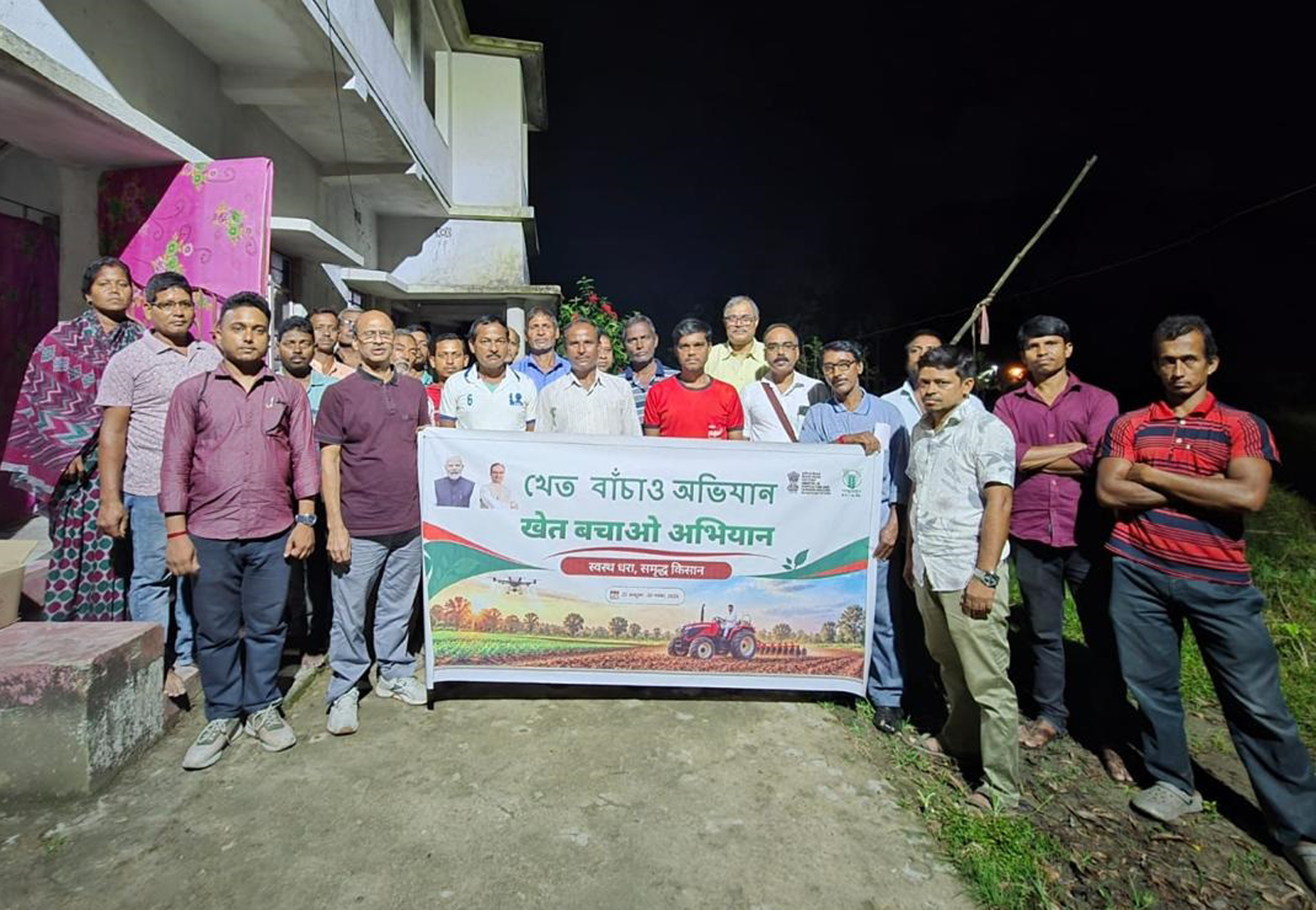
Emphasising the vital link between healthy soils, clean water, sustainable fisheries and resilient rural livelihoods, ICAR–Central Inland Fisheries Research Institute (ICAR-CIFRI), Barrackpore, organised an awareness campaign under KhetBachaoAbhiyan–2026 at Palater Ghat, Kakdwip, West Bengal, on 28 October 2026. The programme aimed to sensitise local fish farmers and other stakeholders to environmentally responsible agricultural practices, scientific aquaculture and the judicious utilisation of natural resources, with particular relevance to the ecologically sensitive Sundarbans region. The programme was conducted under the guidance of Dr. Pradip Dey, Director, ICAR-CIFRI. Dr. Srikanta Samanta and Dr. S. K. Manna, Heads of Divisions at ICAR-CIFRI, served as resource persons and engaged with the participants on key aspects of sustainable agriculture, inland fisheries management, and aquatic ecosystem conservation. A total of 25 participants, including 18 fish farmers, attended the programme. Representatives of Lokmata Rani Rashmoni Mission (LRRM), Nimpith, also participated in the campaign, reflecting collaborative efforts towards promoting sustainable agricultural and fisheries practices. Articulating a vision of agriculture and fisheries development that places ecological sustainability at the heart of rural prosperity, Dr. Dey stated, the future of agriculture and fisheries depends on our ability to produce more while conserving the natural resources that sustain life and livelihoods. In a region as ecologically sensitive as the Sundarbans, soil health, water quality, aquatic biodiversity and farmers’ economic security must be addressed together. Through KhetBachaoAbhiyan, our endeavour is to translate scientific knowledge into practical, location-specific solutions that farmers and fishers can adopt in their daily lives. By promoting soil-test-based nutrient management, responsible use of agrochemicals, scientific pond management, resource recycling and climate-resilient farming systems, we can strengthen livelihoods while safeguarding the ecological foundations of production. Our vision is to build informed, resource-efficient and climate-resilient farming and fishing communities, where healthy ecosystems and improved incomes reinforce each other for the benefit of present and future generations.
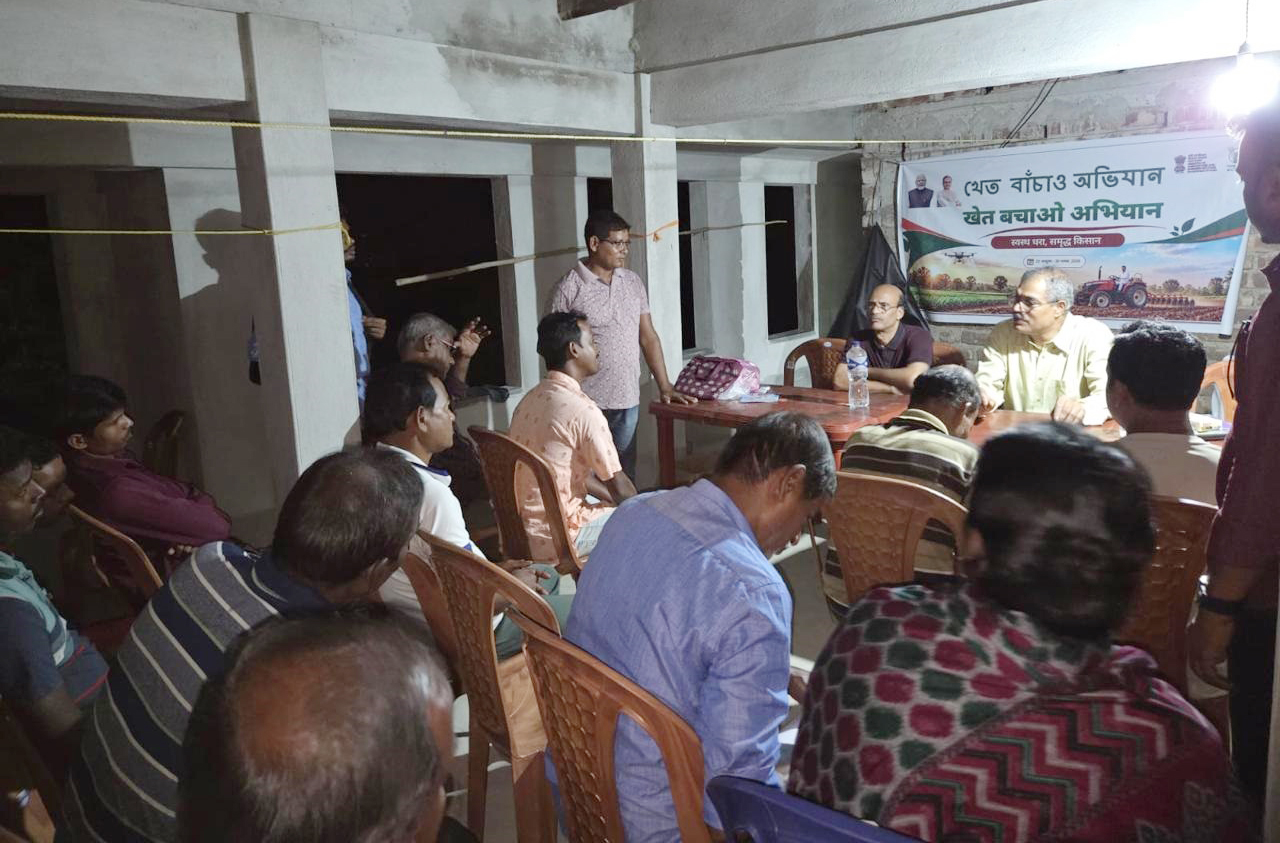
Scientific pond management and sustainable aquaculture in focus The technical sessions highlighted the potential of scientific aquaculture to improve the productivity of homestead ponds and strengthen livelihood opportunities in the Sundarbans. Participants were sensitised to appropriate fish-feeding practices, pond management and preventive measures to minimise the risk of fish disease outbreaks during the ensuing winter months. The discussions underscored the importance of timely, science-based interventions for improving fish production, reducing avoidable input losses and enhancing the productive utilisation of locally available resources. Dr. Samanta highlighted the environmental risks associated with excessive and indiscriminate application of chemical fertilisers and agrochemicals. Nutrient runoff and chemical contamination can adversely affect the quality of ponds, wetlands, rivers and other inland waterbodies, with implications for fish health, aquatic biodiversity, fisheries productivity and human well-being. He stressed the importance of balanced nutrient application, responsible agrochemical use and integrated management of agricultural and aquatic resources to minimise environmental impacts.

From soil conservation to climate-resilient livelihoods The campaign also emphasised soil-test-based fertiliser application, crop diversification, improved utilisation of rice fallows, crop residue management, integrated pest management and climate-resilient agricultural practices. Participants were encouraged to adopt resource-efficient production methods that conserve soil and water, minimise avoidable chemical inputs and support the long-term productivity of agricultural land and inland waterbodies. These interventions are particularly relevant to the Sundarbans, where agricultural and fisheries-based livelihoods depend on the sustainable management of interconnected land and water resources. Strengthening farmers’ technical knowledge and encouraging environmentally responsible practices can help improve resource-use efficiency while supporting the ecological resilience of the region. Through KhetBachaoAbhiyan–2026, ICAR-CIFRI reaffirmed its commitment to bridging the gap between scientific advancements and their practical application among farming and fishing communities in the ecologically fragile Sundarbans. The initiative focused on promoting sustainable aquaculture, disseminating location-specific technologies, and strengthening the integration of natural resource conservation with livelihood security. It highlighted the vital role of field-level awareness, practical technological interventions, and active community participation in fostering productive, environmentally sustainable, and climate-resilient agricultural and fisheries systems.


This website belongs to ICAR-Central Inland Fisheries Research Institute, Indian Council of Agricultural Research, an autonomous organization under the Department of Agricultural Research and Education, Ministry of Agriculture & Farmers Welfare, Government of India. Copyright @ 2010 ICAR, This website is developed & maintained by Agricultural Knowledge Management Unit.
2017 Last updated on 05/10/2026